
Stucco Installation Las Cruces NM — Built for Desert Heat
Building new, adding on, or replacing a failed wall? This stucco installation Las Cruces NM service puts a proper stucco system on your home — weather barrier, metal lath, base coats and a finish that matches the desert around it. Stucco is the right skin for Las Cruces: it handles heat, sun and monsoon rain when it is built in the right layers, and it fails fast when it is not. We build it in the right layers, every time.
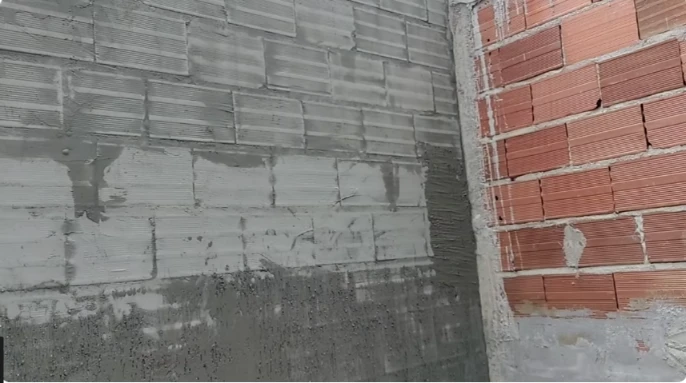
Stucco Installation Las Cruces: One-Coat or Three-Coat?
The first choice is the system — and it is the choice that decides how long the wall lasts.
Three-coat stucco is the traditional system: scratch coat, brown coat, then finish coat, over metal lath, to a minimum of 7/8 inch over the lath (ASTM C926). It is the default for Las Cruces. It is the heaviest, the most forgiving, and the one that best handles the 30–40°F day-night swings that crack thinner work.
One-coat stucco is a single thicker base coat (with a finish coat over it) over lath. It goes up faster and costs less, and it is common on newer production homes across East Mesa, Sonoma Ranch and Metro Verde. It is a sound system when it is applied right — but it is less forgiving of movement, and settlement cracks show up sooner on it than on three-coat work.
Which is best for the Las Cruces desert climate?
Three-coat, for most homes. The desert punishes thin work: heat expands it by day, cold contracts it by night, and monsoon rain finds every weak bond. One-coat makes sense on a tight budget or a simple wall — and we will tell you honestly when it does. What we will not do is sell you one-coat work at three-coat expectations.
What is the difference between one-coat and three-coat stucco?
Thickness and time. Three-coat is three separate coats, each cured before the next, for a total of at least 7/8 inch over lath. One-coat is one base coat, usually 3/8 to 1/2 inch, with a finish coat on top. Three-coat takes longer and costs more; it also lasts longer — traditional stucco runs 50–80 years, one-coat 20–30 years, when both are maintained.
How We Install Stucco — Five Steps
Every stucco installation Las Cruces homeowners book with us follows the same five steps. No shortcuts, no surprises.
- Assess the wall. We look at the substrate — concrete block, wood frame, or an old wall being stripped — and check the flashing, the weep screed at the base, and where water will go when the monsoon hits. A wall that cannot drain will fail no matter how good the finish looks.
- Weather barrier and lath. Paper or house wrap goes on first, then metal lath, fastened so it cannot move. This is the layer nobody sees and the one that matters most — stucco is only as strong as what it grips.
- Scratch coat, then brown coat. The scratch coat keys into the lath; the brown coat builds the thickness and is floated straight. Each coat cures before the next — rushing this step is how new stucco cracks in its first year.
- Finish coat and texture. Sand float, skip trowel, or smooth Santa Fe — the finish you choose, applied to match the house and the neighbourhood. Colour is mixed into the finish, so it does not peel like paint.
- Curing and walkthrough. Stucco cures, it does not just dry. We keep it damp in the first days so it cures strong instead of cracking, then we walk the wall with you — every elevation, in daylight — before we call it done.
What are the layers of a stucco wall?
From the inside out on a wood-frame Las Cruces home: framing, weather barrier (paper or wrap), metal lath, scratch coat, brown coat, then the finish coat with its texture. On a concrete-block wall the lath may be skipped and the base coat goes straight on the block. Every layer has a job — skip one and the wall tells you within a year.
New-Build Cracks — What Is Normal?
New stucco cracks in its first few years, and most of the time it is not a crisis — but it is not something to ignore either.
Why does new stucco crack during the first few years?
Because the house is still settling and the stucco is still curing. The frame moves a fraction of an inch as it dries and the ground shifts, and the stucco — which is rigid — shows that movement as hairline cracks. Heat makes it worse: a wall that bakes all afternoon and cools 30°F overnight is working hard.
Are settlement cracks in new stucco normal?
Hairline cracks under 1/16 inch, in the first year or two, are common on new homes — especially one-coat stucco on production builds. They are worth watching, not panicking over. Cracks wider than 1/8 inch, diagonal cracks, stair-step cracks, or cracks that keep growing are not normal settlement — get them looked at.
When should builder-related stucco cracks be reported?
As soon as you see them — and in writing, with photos and dates. Most builders have a warranty period for the first year, and a crack reported in month three is a warranty conversation; the same crack reported in month fourteen is your bill. If your home is new and the cracks are growing, report them now and keep a copy of everything.
Finishes and Energy
What stucco finish textures are common in Las Cruces?
Sand float is the most common — a soft, sandy texture that hides small flaws and matches most homes. Skip trowel gives a flatter, hand-worked look with subtle variation. Smooth Santa Fe is the flat, modern finish on newer custom homes — beautiful, and the least forgiving of any flaw underneath. We will show you samples on your own wall before you choose, because a finish looks different in Las Cruces sun than it does on a screen.
Is stucco energy efficient in desert climates?
Yes — stucco adds thermal mass, which is exactly what a desert house wants. A thick stucco wall absorbs heat during the day and releases it slowly at night, smoothing out the swing between a 96°F afternoon and a 65°F evening. It will not replace insulation, and it will not fix a poorly insulated wall — but on a well-built home it keeps the inside steadier and the cooling bill lower. That is one reason stucco has covered Las Cruces homes for generations.
What a New Installation Costs
A Las Cruces stucco installation is priced per square foot of wall, not floor area — a 1,500 sq ft house does not have 1,500 sq ft of stucco wall. There is no single published Las Cruces figure for new installation, and we will not invent one: your number depends on the wall area, the system (one-coat or three-coat), the substrate, the access, and the finish. What moves the price:
- Wall area. Measure the wall — length times height — not the floor. Two-storey walls and parapets cost more per square foot than a single ground-floor run.
- System. Three-coat costs more than one-coat and lasts longer. The choice is yours; the trade-off is stated in writing before work starts.
- Substrate. Sound block or frame is straightforward. A wall that needs stripping, re-lathing or new flashing first adds a step — and a line on the estimate.
- Finish. Smooth Santa Fe takes a steadier hand than sand float, and the price shows it.
Your written estimate is free and itemised — the wall measured, the system named, the finish named, the price in writing. That is the only number that counts as a quote.
Does New Stucco Need Maintenance?
Yes — less than most wall coverings, but not none. Walk the walls once a year, ideally before the monsoon in June: look for hairline cracks, seal them before the rain finds them, and check the base of the wall and around windows where water collects. A recoat every 7–10 years keeps the colour and the weather seal fresh. Stucco that gets this small amount of attention lasts decades; stucco that gets none starts showing it in five years.
Service Areas
We install stucco across Las Cruces and Doña Ana County — Las Cruces (88001, 88005, 88007, 88011, 88012), Mesilla (88046), Sonoma Ranch (88011), East Mesa (88011/88012), Picacho Hills (88007), Mesilla Park (88005) and University Park (88003). New builds, additions and full wall replacements.
FAQs
Why does new stucco crack during the first few years?
Because the house settles and the stucco cures. The frame moves slightly as it dries, the ground shifts, and the rigid stucco shows that movement as hairline cracks — usually under 1/16 inch. Heat and the day-night temperature swing make it worse. Hairlines in year one are common; cracks over 1/8 inch, diagonal or growing cracks are not normal and should be looked at.
Are settlement cracks in new stucco normal?
Hairline cracks under 1/16 inch in the first year or two are common, especially on one-coat stucco in newer production homes. Watch them — mark the ends with a pencil and check in a month. If they have not grown, they are settlement. If they are wider than 1/8 inch, diagonal, stair-stepped or growing, they are not normal settlement and need a proper look.
How long does new stucco installation last?
Traditional three-coat stucco lasts 50–80 years with basic maintenance; one-coat stucco lasts 20–30 years. The finish coat and recoat cycle matter — a recoat every 7–10 years protects the base coats underneath. A wall that is sealed, drained and maintained will outlast the roof over it.
When is the best time of year to install stucco in Las Cruces?
Spring through fall, and especially March to June before the monsoon — and September to November after it. Cement stucco must be applied above 40°F and protected from freezing for at least 24 hours, so winter installs need the right window. We schedule around the weather, not through it: a coat applied in a freeze will fail, and no deadline is worth a wall that cracks in year one.
Get Your Free Written Estimate Today
New stucco is a decades-long decision — make it with a real number in writing. A visit or photos, then a free written estimate for stucco installation Las Cruces NM homeowners can check, compare, and trust. No obligation, no pressure.